
How to keep your smile when you turn 26
Why Dental Coverage Matters Before You Turn 26
Dental insurance for students under 26 is one of the most overlooked parts of college life — right up there with filing taxes and actually reading your lease.
Here’s the quick answer most students need:
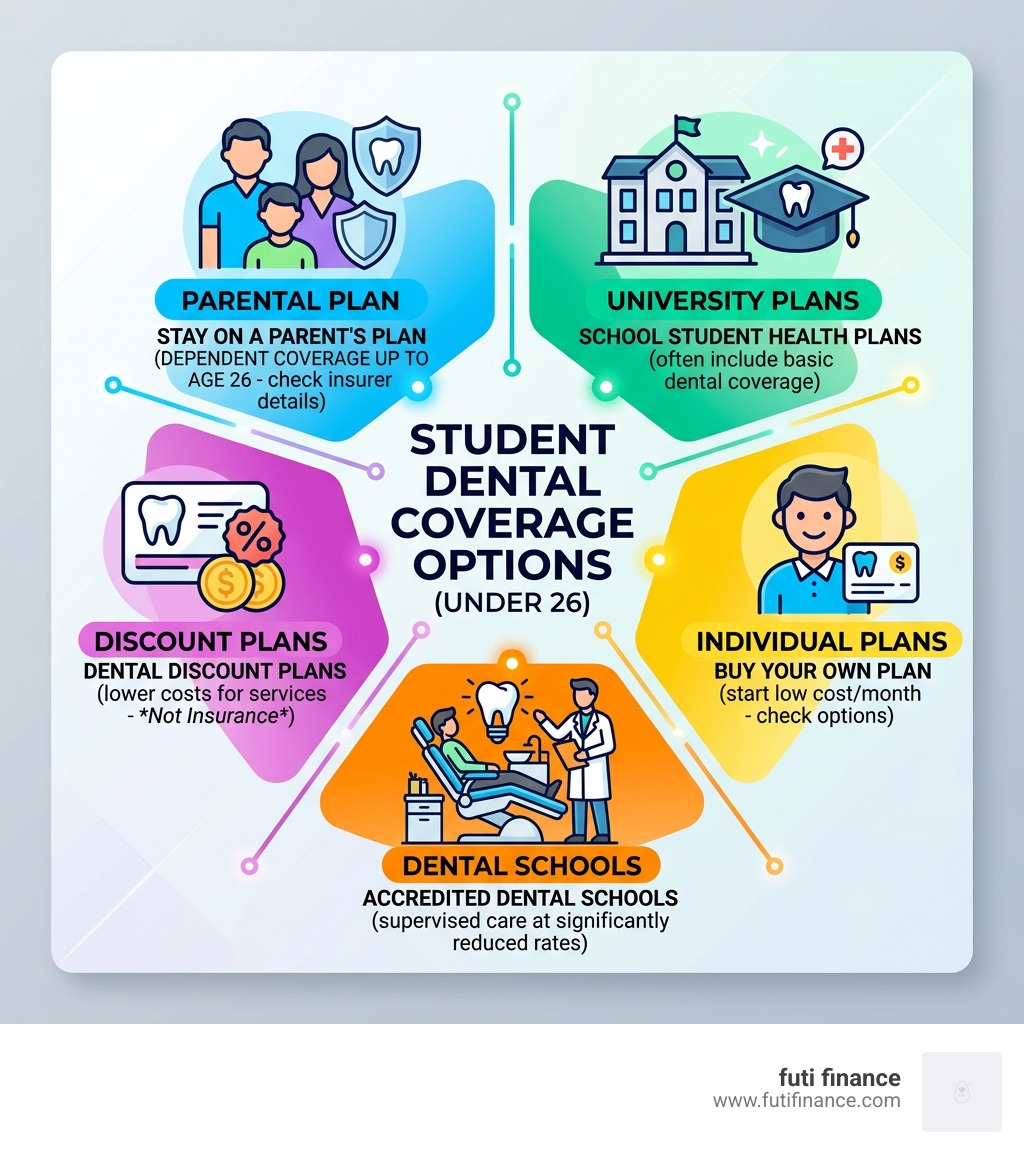
- Stay on a parent’s plan — most dental plans cover dependents until the end of the year you turn 26
- Check your university — many schools offer student health plans that include basic dental coverage
- Buy your own plan — individual dental plans start as low as $16–$17/month
- Use a dental school — accredited dental schools offer supervised care at significantly reduced rates
- Look into discount plans — these aren’t insurance, but they can cut costs if you’re in a pinch
One important catch: the Affordable Care Act (ACA) extends health coverage to age 26, but this doesn’t automatically apply to dental. Some insurers cap dependent dental coverage at age 19 or 22. So even if you’re covered for medical, you may not be covered for dental.
That gap can hurt. A single root canal can cost hundreds of dollars out of pocket. Wisdom tooth removal or a cracked tooth from a sports injury can run into the thousands. For a student already juggling tuition, rent, and textbooks, an unexpected dental bill is genuinely painful — in more ways than one.
The good news? There are more affordable options than most students realize. And understanding them now — before you turn 26 or graduate — can save you serious money and stress.
Why dental insurance for students under 26 is essential
When we’re in our twenties, we often feel invincible. We might skip a dental checkup because we’re busy studying for finals or because our bank account is looking a little lean. However, the CDC recommends that everyone visit the dentist at least annually for preventive care. Why? Because your mouth is essentially a window into your overall health.
Preventive Care and Systemic Health
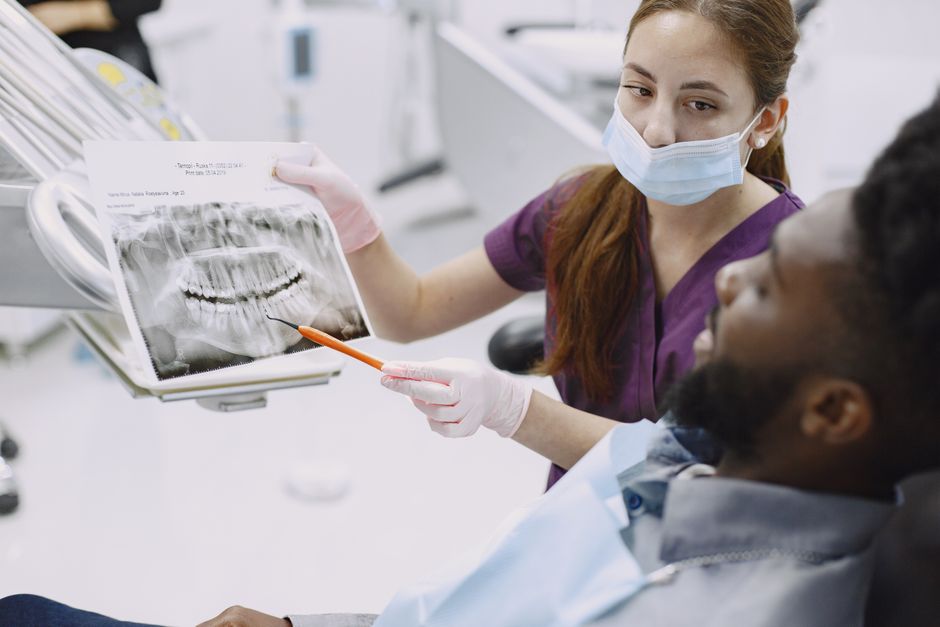
Preventive care isn’t just about having a bright smile for your graduation photos. Regular cleanings and exams allow dentists to catch issues like cavities or gum disease before they turn into “I-can’t-sleep-because-my-face-is-throbbing” emergencies.
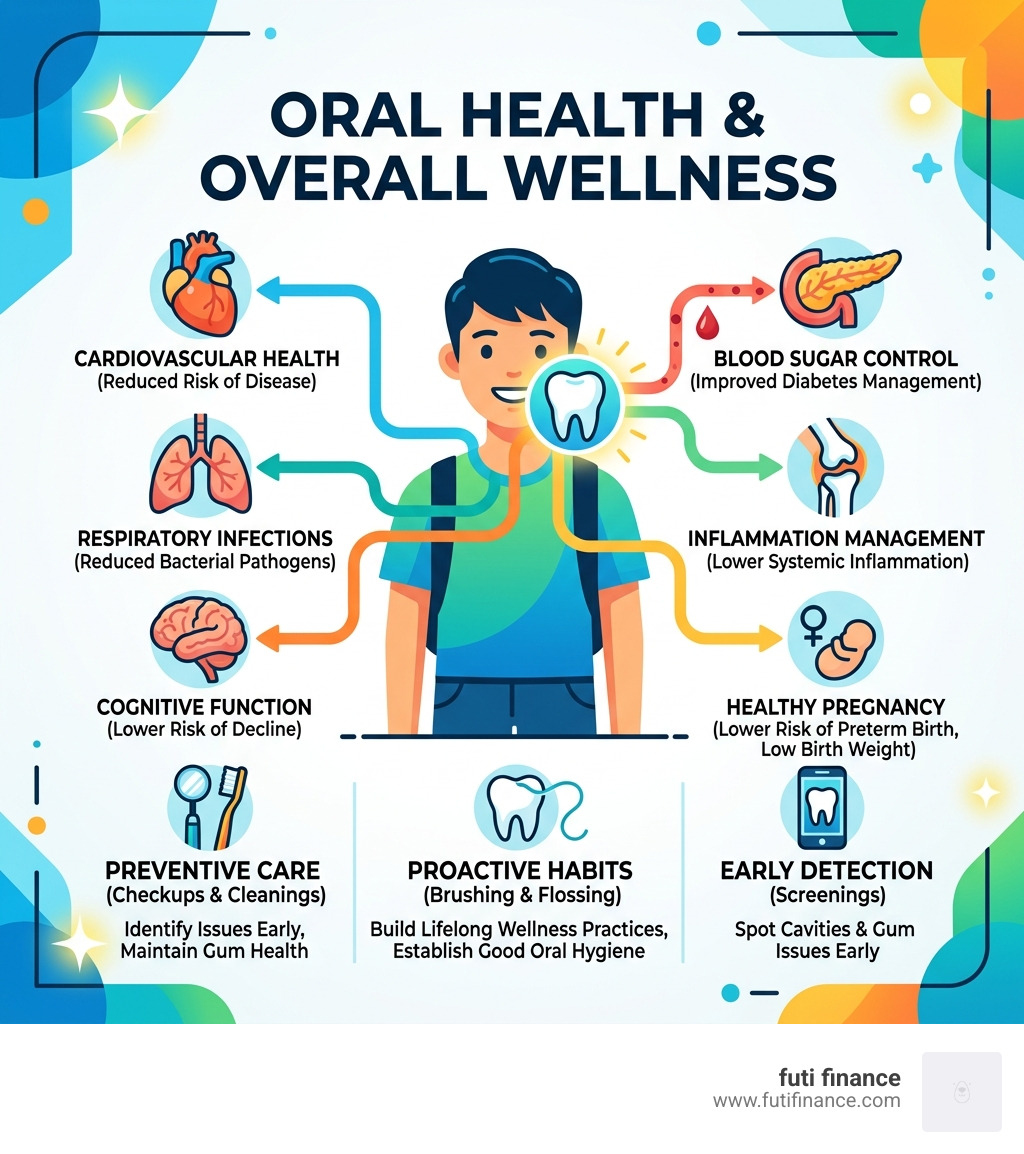
There’s also a significant link between oral health and systemic health. Research has shown that untreated gum disease is linked to serious conditions like diabetes and cardiovascular disease. By maintaining a routine of brushing twice a day, flossing, and getting professional cleanings, you aren’t just protecting your teeth; you’re protecting your future self.
Avoiding the “Emergency Bill” Shock
For many students, the first real “adult” financial crisis involves a wisdom tooth. These pesky late-bloomers often decide to impact or shift right when you have the least amount of spare cash. Without insurance, the cost of extractions can be staggering.
According to Health Care Coverage Options for College Students | HealthCare.gov, navigating health options is a key part of growing up. If you wait until you have a cracked tooth or an infection to look for coverage, you might run into “waiting periods” (more on those later) that prevent the insurance from paying for the immediate procedure.
Cost Comparison: Insurance vs. Out-of-Pocket
To give you an idea of the stakes, let’s look at the estimated costs for common procedures as of April 2026.
| Procedure | Cost Without Insurance | Cost With Typical Student Insurance |
|---|---|---|
| Routine Cleaning & Exam | $150 – $300 | $0 (100% covered) |
| Bitewing X-rays | $50 – $150 | $0 (100% covered) |
| Simple Filling | $200 – $400 | $40 – $80 (80% covered) |
| Root Canal | $900 – $1,500 | $450 – $750 (50% covered) |
| Wisdom Tooth Extraction | $1,500 – $3,000+ | $750 – $1,500 (50% covered) |
As we can see, paying a small monthly premium is often much cheaper than a single surprise visit to an oral surgeon.
Understanding your dental insurance options
Navigating insurance jargon is like trying to learn a new language while you have a toothache. Let’s break down the basics so you can make an informed choice.
The most important thing to remember is that while the ACA requires health plans to offer dental coverage for children (under 18), it does not consider adult dental an “essential health benefit.” This means you often have to seek out Dental Coverage in the Health Insurance Marketplace® | HealthCare.gov as a standalone addition or a specific “rider” on your health plan.
PPO vs. HMO: Which is better for students?
- PPO (Preferred Provider Organization): These are the most popular for students because they offer flexibility. You can see any licensed dentist, though you’ll save more if you stay “in-network.” If you go to school in a different state than your parents, a PPO usually makes it easier to find a local dentist.
- HMO (Health Maintenance Organization): These plans are generally cheaper but much more restrictive. You must choose one primary dentist and get referrals for specialists. If you’re on a very tight budget and don’t mind a limited selection of doctors, this might work for you.
Key Terms to Watch Out For
- Deductible: The amount you pay out of pocket before the insurance starts chipping in. For students, this is often around $50.
- Annual Maximum: The most the insurance will pay in a year. Usually, this is between $1,000 and $2,000.
- Coinsurance: The percentage you pay for a service (e.g., the insurance pays 80%, you pay 20%).
- Waiting Periods: This is the big one! Some plans make you wait 6 to 12 months before they will cover “major” work like crowns or root canals. If you think you need work done soon, look for a plan with no waiting periods.
Staying on a parent’s plan until 26
The easiest path for most of us is staying on a parent’s plan. Under the ACA, you can stay on your parents’ health insurance until you turn 26, even if you’re married, living elsewhere, or not in school.
However, dental insurance is a bit of a rebel. Because it’s not a mandatory “essential benefit” for adults, some employer-sponsored dental plans still cut off dependents at age 19 or 22 unless they are full-time students.
The “End of the Year” Rule
In many cases, if your parents’ plan does allow you to stay on until 26, you can actually remain covered until December 31st of the year you turn 26. This gives you a little extra breathing room to find your own plan once you enter the professional world.
If you live in a different state for college, check if your parents’ plan has a national network. There’s nothing worse than having a dental emergency and realizing the nearest “in-network” dentist is a six-hour flight away.
University-sponsored dental insurance for students under 26
If you can’t stay on a parent’s plan, your school is the next best place to look. Most universities offer a Student Health Benefit Plan (SHBP).
How University Plans Work
Take the University of Minnesota as an example. Their 2025-2026 Dental Benefits | Office of Student Health Benefits show a tiered system. Basic preventive care (cleanings and exams) is often included in the mandatory health fee you pay with tuition.
But here’s the kicker: basic plans often don’t cover fillings or extractions. Many schools offer an “Optional Dental Buy-Up Plan.” For a fee (often around $700–$800 a year), you get much more comprehensive coverage. While that sounds like a lot, it’s usually billed directly to your student account, meaning you might be able to cover it with financial aid or student loans.
Campus Dental Clinics
Some large universities have their own dental clinics on campus. These are incredibly convenient for fitting a cleaning between your “Intro to Psychology” and “Organic Chemistry” classes. These clinics are often staffed by dental students supervised by licensed professionals, which helps keep costs low.
Affordable alternatives and supplemental coverage
If traditional insurance feels out of reach, don’t panic. There are “hacks” to getting quality care without a standard PPO plan.
Dental Schools: High Quality, Low Cost
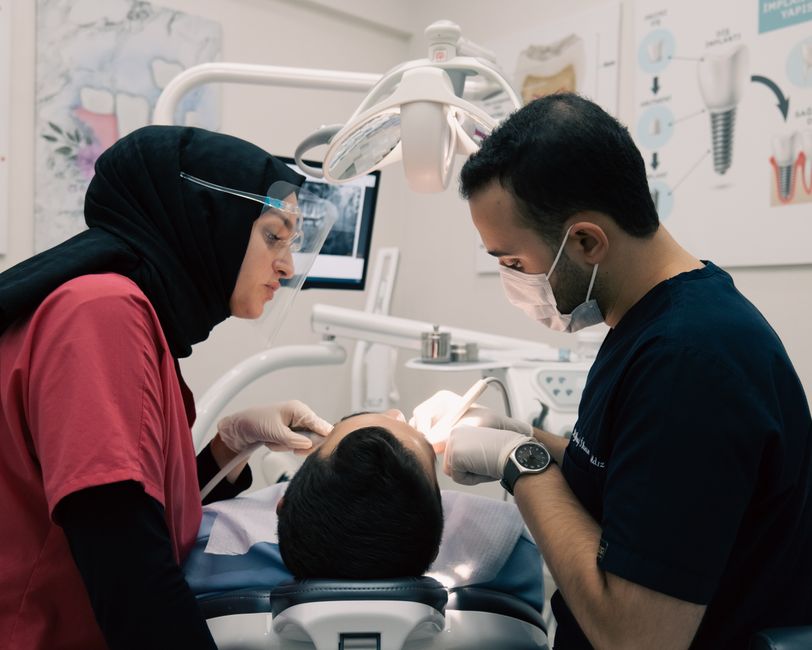
If you live near a major city, look for a dental school. For instance, the “STU-DENT” Plan at NYU provides a fantastic model. They offer a membership plan for around $275 a year that covers exams, cleanings, and X-rays, plus significant discounts on other work.
The “catch” with dental schools is time. Because students are performing the work under the watchful eye of instructors, a cleaning that takes 45 minutes at a private office might take two hours at a school. But if you have more time than money, it’s an unbeatable deal.
Discount Dental Plans
These are not insurance. Instead, they are membership programs. You pay an annual fee (often under $100) and get access to a network of dentists who have agreed to charge members lower rates. There are no waiting periods and no annual maximums, making these great for students who already know they need a lot of work done immediately.
Supplemental Cash Benefits
Some companies offer supplemental dental insurance. Unlike traditional insurance that pays the dentist, these plans pay you a cash benefit if you have a specific procedure. We’ve seen cases where students use this cash to cover their rent or groceries while they’re recovering from an oral surgery and can’t work their part-time job.
HSA and FSA Eligibility
If you have a job or are on a parent’s plan that includes a Health Savings Account (HSA) or Flexible Spending Account (FSA), you can use those pre-tax dollars to pay for your dental deductibles, copays, and even things like braces or mouthguards for sports.
Choosing the right dental insurance for students under 26
When we’re comparing plans, it’s easy to just look at the monthly price. But a $15/month plan that covers nothing is more expensive than a $25/month plan that covers everything you need.
Factors to Evaluate:
- Network Size: Does the plan have dentists near your campus and your hometown?
- Virtual Dental Care: Some modern plans, like those from Aetna, now offer virtual screenings. You can take a photo of your teeth with your phone, and a dentist can spot cavities or gum issues from home. This is perfect for the busy student schedule.
- Orthodontic Coverage: Most basic student plans do not cover braces or Invisalign. If you’re planning on straightening your teeth, you’ll need a specific “full coverage” plan.
- Out-of-Pocket Limits: Make sure you know the maximum you’ll have to pay in a worst-case scenario.
How to enroll and what happens after graduation
Enrolling in dental insurance for students under 26 is usually a straightforward online process.
When to Enroll
- Open Enrollment: This usually happens in the fall. For university plans, there are strict deadlines (often early September or February).
- Special Enrollment Periods: If you lose your coverage (like if you turn 26 or your parent loses their job), you qualify for a “Qualifying Life Event.” This allows you to sign up for a new plan outside of the usual open enrollment window.
The Graduation Transition
When you toss that cap in the air, your student insurance doesn’t always disappear immediately. Most university plans cover you through the end of the summer (usually until August 31st).
If you turn 26 mid-year, remember the “end of the year” rule for many Marketplace and parental plans. If you’re moving into a job that doesn’t offer benefits right away, you can look into COBRA (which lets you keep your old insurance, though it’s very expensive) or buy a temporary individual plan to bridge the gap.
Frequently Asked Questions about student dental care
Can I stay on my parents’ dental plan if I am not a student?
Yes, in many cases! If the plan follows the general ACA-style guidelines for young adults, you can stay on until age 26 regardless of your student status. However, as we mentioned, dental is “extra,” so you must have your parents call their HR department to confirm their specific plan’s age limits. Some plans still use the “age 19 unless a student” rule.
Does the Affordable Care Act require dental coverage for adults?
No. While the ACA made health insurance mandatory (for a time) and required coverage for things like maternity and mental health, adult dental remains an optional “add-on.” This is why it’s so important for students to be proactive. You can’t assume your health insurance has your teeth covered.
What is the cheapest way for a student to get dental work without insurance?
If you have zero insurance and a tooth starts hurting, your best bet is a local dental school or a federally qualified health center (FQHC). These centers offer “sliding scale” fees based on your income. Since most students have very low income, you might qualify for extremely cheap or even free emergency care.
Conclusion
Taking care of your teeth is one of the best investments you can make in your twenty-something years. It’s not just about avoiding pain; it’s about establishing habits that lead to long-term wellness.
At Futi Finance, we believe that insurance shouldn’t be a headache. We specialize in providing affordable and intelligent insurance solutions tailored specifically for students and young adults. We know you’re balancing a lot, which is why we focus on smart, simple plans that fit a student budget without sacrificing the coverage you need for those unexpected wisdom tooth moments.
Don’t wait for an emergency to realize you’re uncovered. Whether you’re staying on a parent’s plan, looking at your university’s options, or ready to get your own individual coverage, the time to act is now.
Ready to secure your smile? Get started with Futi Finance today and see how easy it is to find a plan that works for your life and your future.
